Parenting
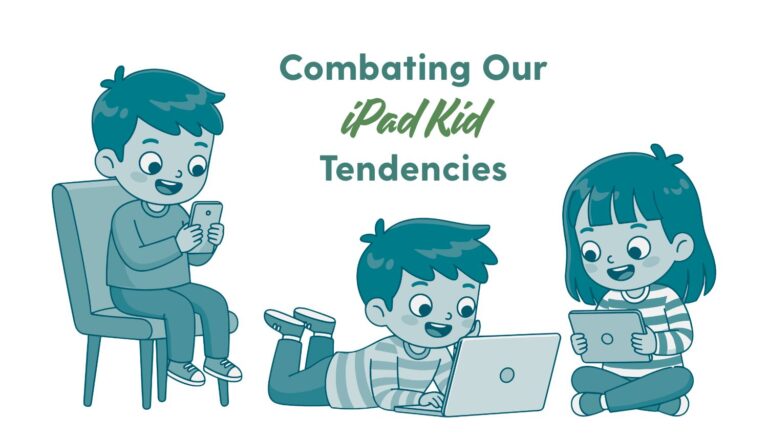
Combating Our ‘iPad Kid’ Tendencies
If you have a child who is 8 years old or younger, you may be surprised to learn just how much screen time they’re racking




If you have a child who is 8 years old or younger, you may be surprised to learn just how much screen time they’re racking
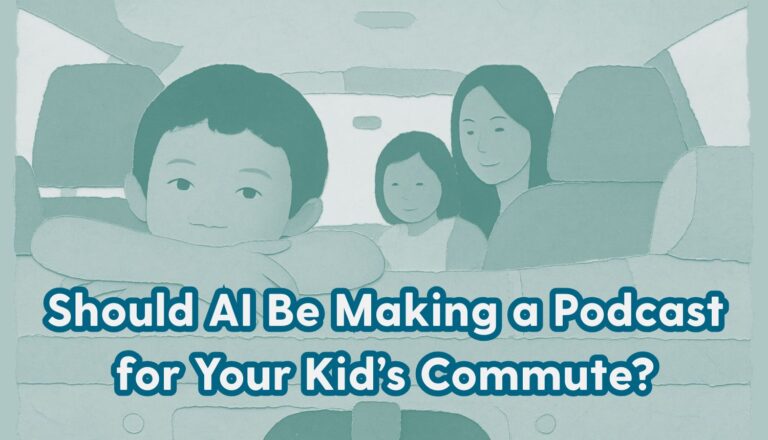
Sam Altman claims to have heard about a use of AI that will bring your family closer on those dreaded car rides together.

What you share on social media can affect a college application status. But recent AI chat exposures could also impact college dreams.
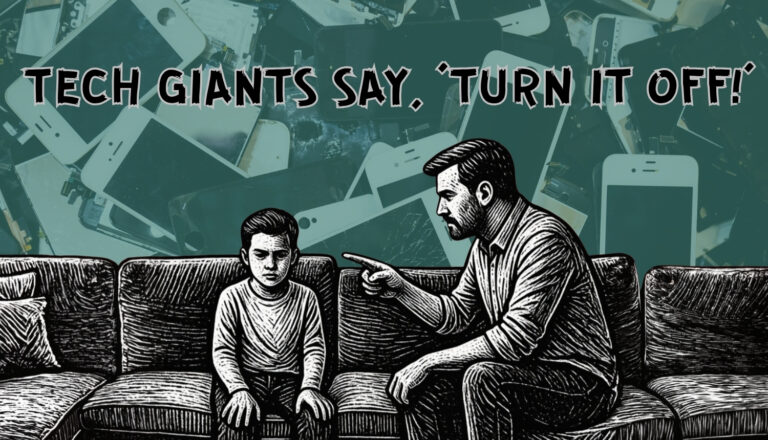
When everything’s on your phone, how do you turn it off? The social media giants have an ironic suggestion.

Social media is flooded with various “maxxing” trends promising to enhance health, beauty and wellness. But many pose serious risks to teens.

How are screens influencing your life? Are you comfortable with the digital footprint you leave behind?

We have a new section on our homepage dedicated to articles about technology! Check it out!
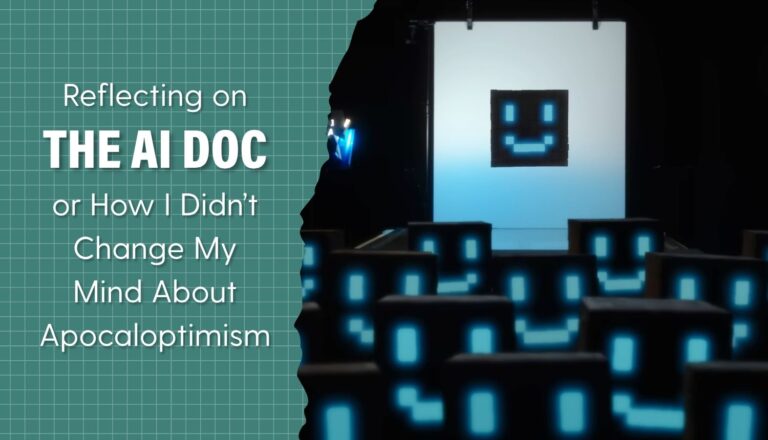
Daniel Roher’s ‘The AI Doc’ reminds us that we aren’t in control. But really, neither is artificial intelligence.

Laws might make it harder for AI deepfakes to harm innocents, but we should still talk to our kids about potential dangers.

The average teen spends around eight and a half hours daily on a screen—and let’s be honest, we adults aren’t much better …