



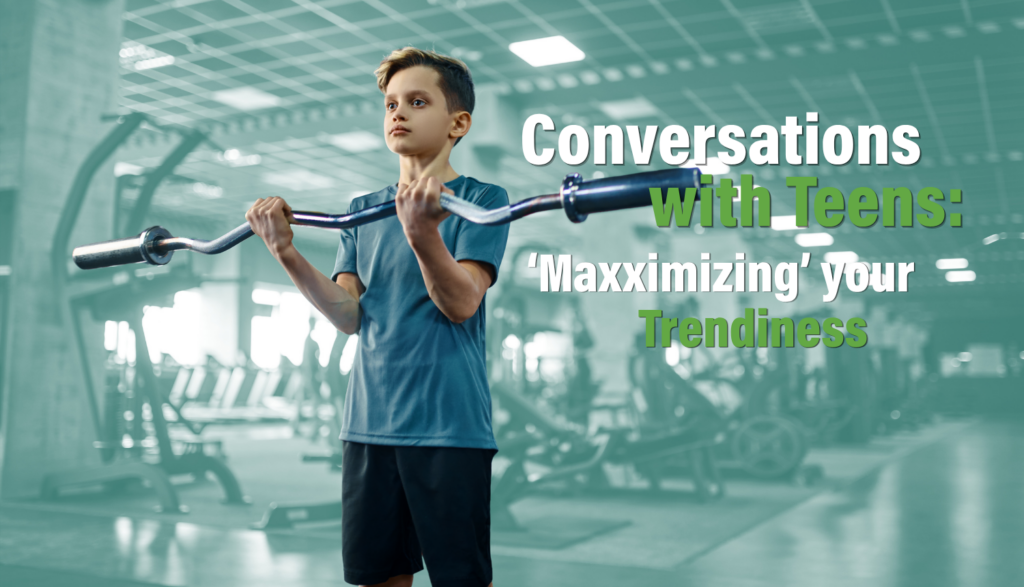
Looksmaxxing. Auramaxxing. Sleepmaxxing. Carrotmaxxing.
Carrotmaxxing? Really?
Yep. These are just some of the “maxxing” trends that have taken over social media in the last year or so. In each one, influencers encourage their followers to hyper-focus on one specific, usually superficial, area of their lives in order to maximize their social status—and, often, try to boost their appeal to members of the opposite sex.
Users typically adopt these trends because they want attention—from their family, their friends, their followers—and they want to be perceived by others in a very specific way.
Some of these trends are obviously dangerous, or at least questionable. Others may actually have some benefits when applied appropriately to one’s life, such as “sleepmaxxing.” And some, such as “carrotmaxxing” or “pheromone maxxing,” fall somewhere in the middle, toeing the line between absolutely silly and possibly ill-advised.
How Do ‘Maxxing’ Trends Affect Us Physically?
Many of the maxxing trends that promise physical results branched off from “looksmaxxing,” which first began to take shape about two years ago. Looksmaxxing trends influence users to maximize their physical attractiveness, which can negatively impact teen boys and girls alike.
These trends can range anywhere from the establishment of a skincare regimen to undergoing cosmetic surgery. The former would fall under the sub-trend “softmaxxing,” which encourages users to improve their physical attractiveness with easily achievable goals, such as styling one’s hair, eating healthier foods or wearing better-fitting clothes. The latter would qualify as “hardmaxxing,” which often pushes users toward more extreme measures.
For instance, in the popular “testosterone maxxing” trend, or “testmaxxing,” teen boys and young men take steroids and testosterone supplements to manipulate their hormone levels to achieve body-shaping goals. In many cases, these drugs are procured and used illegally, and many influencers fail to disclose the side effects—such as suppressing the body’s ability to produce testosterone naturally, reducing fertility and increasing the risk of heart attacks and strokes—to their followers.
The problem with looksmaxxing, even the more innocuous seeming trends, is that it can have unexpected side effects. Carrotmaxxing encouraged social media users to ingest large amounts of canned carrots to make their skin turn a yellow-orange color: Several carrotmaxxers wound up in the ER due to sodium overload as a result. “Tanmaxxing” aims at achieving the darkest tan possible—and I don’t think I need to explain how that trend can come back to burn those who try it.
How Does ‘Maxxing’ Impact Us Mentally?
Maxxing trends don’t only affect us physically, though; they can also impact our mental wellbeing.
In some cases, maxxing trends improve our mental outlook by encouraging healthy habits. For instance, sleepmaxxing focuses on getting a good night’s rest (something we could all use a little more of), which has scientifically proven physical and mental health benefits.
However, you’ll also see some more obscure trends that only focus on improving social status, such as “auramaxxing,” wherein users try to improve their “energy” and overall presence. Another popular one is “jestermaxxing,” which involves using humor and silly behavior to win over followers or potential significant others.
“Pheromone maxxing” is an example of a trend that has zero scientific evidence to support it … and could potentially have the opposite effect of the user’s intent. In it, guys are encouraged to maximize their pheromone levels by skipping showers. But since humans don’t have the nasal function to smell pheromones the way animals do, it just makes the guy smell like body odor. Which, since we’re talking about mental health, could result in some pretty serious rejection and possibly even humiliation.
Can We Maximize Our Conversations About This?
So how do we broach the topic of “maxxing” with our kids, ensuring that they take our concerns seriously without making it seem like we’re (sigh) overreacting?
Well, for starters, remember that this is a very natural adolescent behavior: Maxxing is just the latest name for it.
With that, here are some questions to get the conversation started:
- What do you know about the different maxxing trends online? Which ones have you heard of?
- How would you determine if a maxxing trend was safe to try? How could you modify them to make them less risky?
- What’s the most ridiculous maxxing trend you’ve seen? What trends would you be interested in trying for yourself?
- What attributes do you think your peers look for in a friend or significant other? Do you think that maxxing will help you gain those attributes? Do you even want to be a person who exhibits those attributes?
- Why do you think people go to such extreme lengths to get the attention and approval of others? Do you ever feel that kind of pressure?
- How can you stay grounded in your values and beliefs—the things that make you you—while still finding ways to self-improve?
It’s perfectly normal for a teen to try out new ideas or behaviors in the hope of gaining the attention and respect of their parents or peers. It can look different in every kid, and there’s a good chance you did the same when you were young. We all do silly, possibly even dumb, things when we’re young to gain popularity or attention. And often, we don’t realize how ridiculous until many years later.
So when you bring up maxxing trends with your children, try to keep that in mind. Create a safe space for your kids to ask you questions or talk through the pressures that they’re facing. After all, the best thing you can maximize in your family is communication.

Recent Comments