



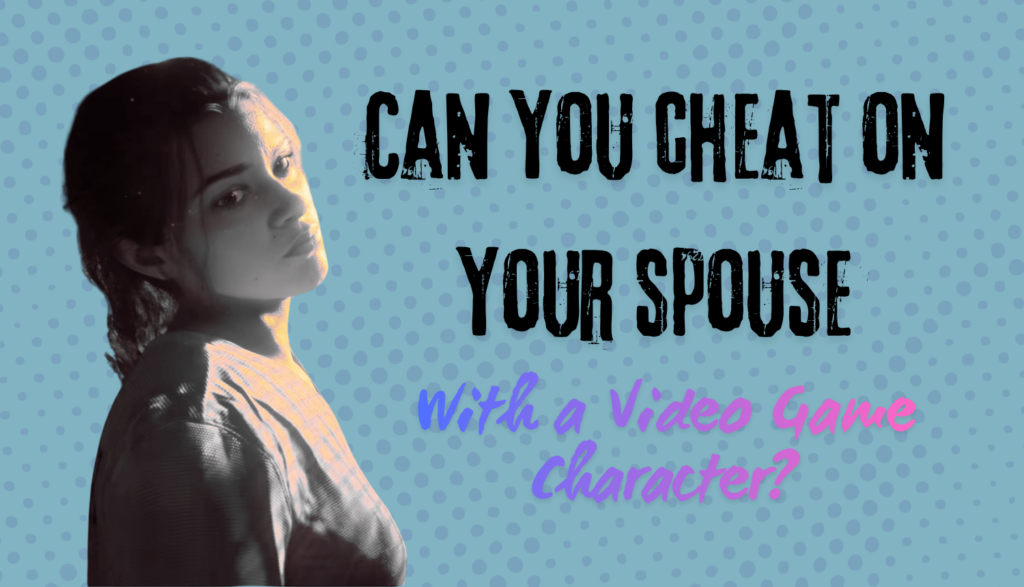
When you see the words “cheating” and “video game” in the same sentence, your mind generally goes to a specific kind of underhanded play that has nothing to do with romantic relationships. But the upcoming Grand Theft Auto VI (GTA 6) has created some unusual online chatter: Rockstar Games confirmed that its eagerly awaited new title features an optional romantic relationship system between its two Bonnie and Clyde-like protagonists, Jason and Lucia.
The game makers have teased the possibility that players, taking on the role of Jason, might build out a romance with the “lusty,” gun-toting Lucia—creating a steamy connection that might go beyond flirty texts, hand-holding and casual caresses.
Is any of that “beyond” actually in the game?
Well, that’s yet to be seen since GTA 6 doesn’t release until Nov. 16 of this year. (Check back for our review of the game, and we’ll tell you.) But it has certainly gotten people talking. And it has also set social media awhirl. In fact, the New York Post recently reported that, “Miffed girlfriends, fiancées and wives across the internet are now vowing to ‘ban’ their fellas from partaking in the game, owing to its optional relationship component.”
Of course, many in the gaming community are sneering at the hubbub. Some video games from the recent past, such as Baldur’s Gate 3 and Dragon Age: Inquisition, have offered relationship arcs, but they haven’t been mass marriage-enders. “If your partner is insecure about a fictional character, then there needs to be some serious reflection,” one TikToker opined to the BBC.
However, it’s easy to understand why some people might be a bit concerned about this techy trend.
For one thing the GTA franchise has been known for its crude, foul-mouthed and generally edgy content. Video gaming as a whole can be something of a bloated time-suck that locks gamers into digital worlds and pulls some players away from reality and the healthy relationships around them. When you roll those sorts of tendencies into our current cultural struggles with AI relationships—constructs that play with the idea of emotional dependency and undermine authentic human contact—you end up with something that looks like a blossoming problem.
So, what can we do about any of this?
Well, first of all, it’s probably very wise to keep our eyes open to how things are changing. Recognize that video games aren’t just a bunch of Donkey Kong and Sonic the Hedgehog titles anymore. As games open us to new worlds and begin to stitch more and more AI capabilities into their fabric, we will see things we never imagined possible.
Taking the time, then, to be aware and discerning—and then to set wise, firm boundaries—will be an essential choice. And for parents, getting your kids to think about what discernment means in their media consumption is, frankly, of vital importance.
Hey, at this point, we may not need to worry about a lot of people running off on trysts with their video game characters. But even if you aren’t wooing a shapely digital vixen seated on the back of a motorcycle, how good (or even intelligent) is it to spend 80 to 100 hours blasting in bloody ways at police, crooks and drug lords in an M-rated game like GTA 6 anyway?

Recent Comments