TV Series Review
“Second time’s the charm.”
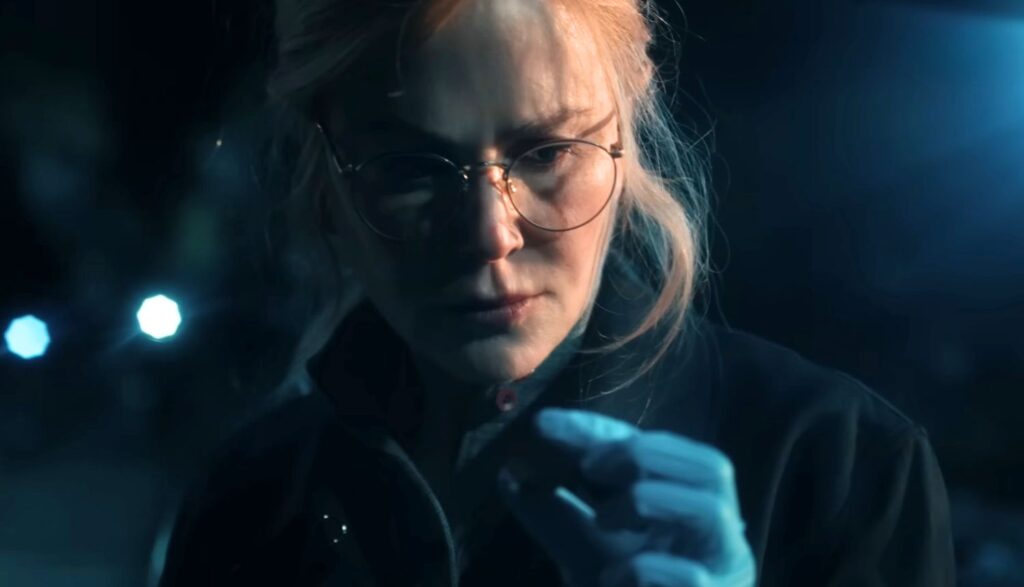
So says Dr. Kay Scarpetta as she finishes taking her oath of office as Virginia’s new chief medical examiner.
She held the gig more than two decades earlier, making her name by finding and catching a notorious serial killer.
She left the office (and all of Virginia) shortly thereafter. But Scarpetta’s back now, and back in her old office. Alas, it sure looks like the serial killer—you know, the one that Scarpetta caught so many years ago—is back, too. Is it possible that the good doctor built her career on catching the wrong guy?
Murder, She Found
The threat of a sadistic murderer running loose in the state would be enough to monopolize any medical examiner’s time. But Scarpetta is dealing with a few other issues, too.
She returned to Virginia (and her old gig) in part to be close to her niece, Lucy, whom she practically raised. Ever since Lucy’s wife died about a year ago, Lucy’s been easing her grief by talking with an artificial intelligence version of her dearly departed mate. And that can’t be healthy, can it?
Lucy’s mother, Dorothy, can’t be counted on to help her daughter through this difficult time. Dorothy has always been a flighty soul: She practically ran out on Lucy to chase after some guy. She’s trying to do better—but in Scarpetta’s eyes, “better” ain’t good enough.
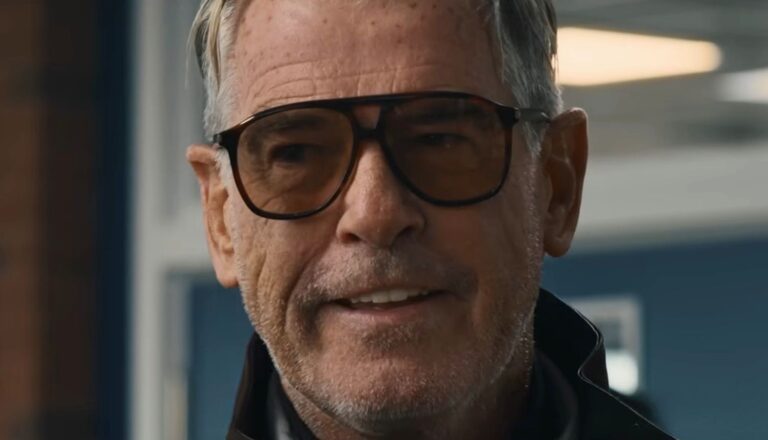
Dorothy may also be interfering with Scarpetta’s own marriage to Benton Wesley, a longtime FBI profiler whom Scarpetta met while working on the serial killer case. As this new round of killings strains Scarpetta’s professional world, her relationship with Benton pulls at its own set of seams.
And then there’s the fact that former detective Pete Marino—Scarpetta’s best friend in the force and newly deputized assistant—is Dorothy’s husband.
Scarpetta’s dealing with some career-threatening office politics, too. And that’s a lot to deal with when you’re trying to nab a killer—one who seems to get a sexual charge from torture, mutilation and death. And given Scarpetta’s central role in the first round of killings, we have to wonder: Will the killer be coming after her?
“Second time’s the charm,” Scarpetta says. Though she might count herself lucky if she survives this second time around.
Sentenced to Plugged In Prison
Based on a number of books by Liz Sarnoff, Scarpetta is a splashy new crime thriller on Amazon’s Prime Video.
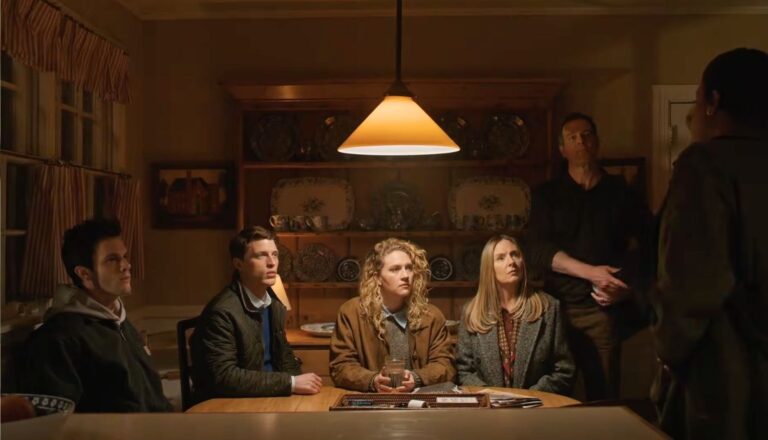
Certainly, its A-list cast created a splash. Toggling between past and present, Nicole Kidman stars as the older Kay Scarpetta (Rosy McEwen plays her younger, late 1990s counterpart). Jamie Lee Curtis slots in as her flighty sister. A host of recognizable actors fill out the rest of the cast.
But the show comes with a splash of blood, too. No, check that: It’s more like a flood.
The killer strips his victims naked, lops off body parts and leaves these nude, disfigured folks for the police to find. And while many lurid crime thrillers would pull back at least a bit in showing viewers the carnage, Scarpetta revels in it—showing, in some way, the same sadistic glee in displaying its handiwork that its own killer does.
We see these nude corpses from every angle, and rarely is anything hidden. Their wounds—be they bloody stumps where hands used to be or partial decapitations—are trotted onscreen with a certain pride. Scarpetta’s own work as a pathologist is grotesquely documented: We watch her carve through chests, snap out rib cages and examine internal organs. In flashback, the show hints at a bit more decorum, but it still takes pains to show us the killer’s terrified, tortured victims as they draw close to death.
The living only get slightly more respect. We see plenty of skin elsewhere: In the first episode, Scarpetta takes a shower, and her female assistant walks in on her. “Marvelous how you kept your figure after all these years,” she says with a leer.
With all that content, the show’s LGBT issues, profanity, smoking and drinking feel much like an afterthought.
In summary, Scarpetta is a bit of a television nightmare. And if you watch it, it just might give you a few of your own.
(Editor’s Note: Plugged In is rarely able to watch every episode of a given series for review. As such, there’s always a chance that you might see a problem that we didn’t. If you notice content that you feel should be included in our review, send us an email at letters@pluggedin.com, or contact us via Facebook or Instagram, and be sure to let us know the episode number, title and season so that we can check it out. )