TV Series Review
What is truth?
So asked Pontius Pilate about 2,000 years ago. And, in our age of deepfakes, spin doctors and artificial intelligence, many of us still ask that question today.
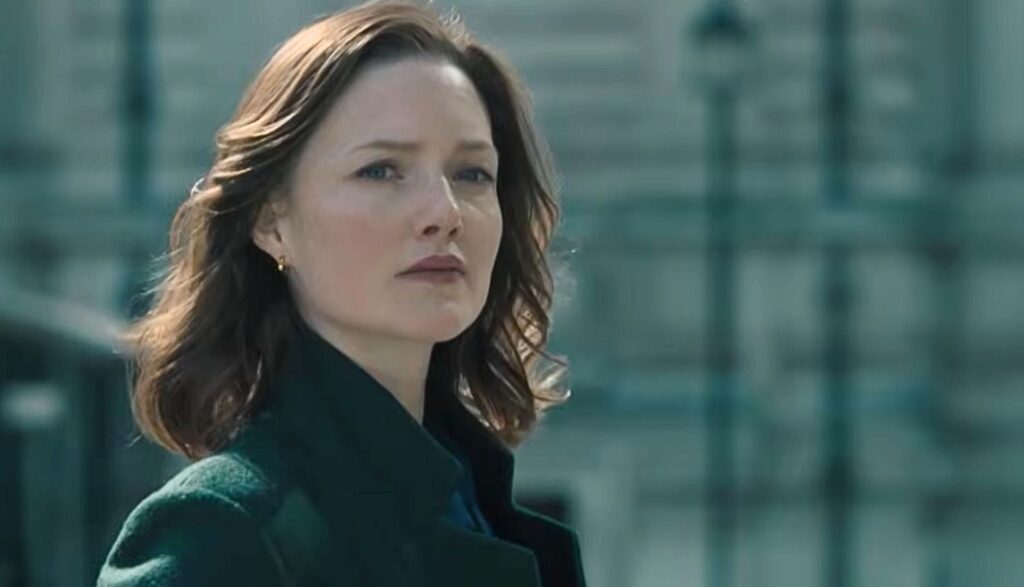
Rachel Carey has asked that question more than most. For years, she’s been investigating and debunking faked surveillance videos in London—one of the most surveilled cities in the world. People are doctoring footage to frame the innocent and protect the guilty. And sometimes, they do it in the name of national security.
What is truth? These days, it can be hard to know. But Rachel aims to find out.
Not-So-Candid Camera
Rachel’s work began when combat vet Shaun Emery was accused of assaulting and kidnapping his female barrister. A nearby CCTV camera caught the entire thing, and Emery was well on his way to going to prison for the crime.
Rachel had reason to suspect the footage was doctored, though, and eventually, she uncovered a far-reaching British initiative called the “Correction Programme.” It worked like this: If law enforcement suspected that someone was guilty of a major crime but lacked the evidence to prove it, no problem. They’d just create some new footage to make the suspect look guilty—sometimes in real time. Presto, one less dangerous bad guy off the streets … if he was a bad guy, that is.
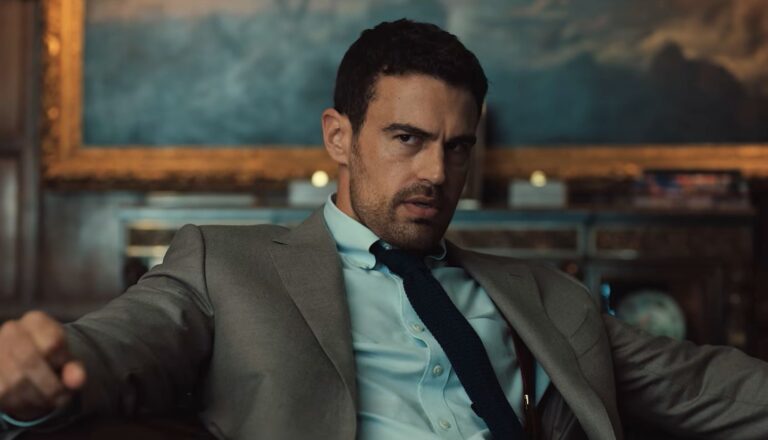
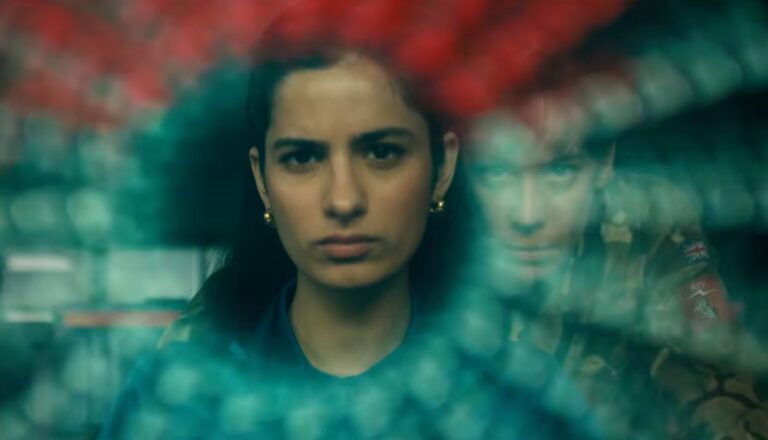
Rachel, with the help of the up-and-coming politician Isaac Turner, ultimately exposed the Correction Programme, drumming its advocates out of government. And by Season 3, we see that Rachel’s whistleblowing has done wonders for her career. She’s now the acting head for London’s Counter Terrorism Command and has become the face of Operation Veritas, an effort that has seen the creation of new double-lensed cameras that can guard against real-time deepfakes.
But just as the technology is being publicly unfurled in a press conference, a gunman barges in, shoots a very important politician (and a number of other people, too) and walks away.
Oh, and before he leaves, the gunman stands right in front of Rachel—as if to make sure that she gets a good look at him.
Wouldn’t you know it, plenty of television cameras and cell phones caught footage of the killer. But that killer looks nothing like the one that Rachel saw.
Was this national disaster also an inside job? Have the people behind the Correction Programme upped their game, or is this a case of international sabotage? Or might Rachel herself simply have made a mistake?
Sex, Lies and Videofeeds
The Capture is a BBC show imported by Peacock. It has received praise for its relatively grounded portrayal of this most disturbing sort of cyberattack. Its world, like ours, is a place where our most trusted senses may deceive us, where supposed facts may turn out to be fiction and morality seems measured on a sliding scale.
The show comes with its own moral pitfalls. While The Capture isn’t as problematic as many a crime thriller, it still comes with R-rated language and some alarming moments of violence.
Moreover, its central conceit encourages a sense of ethical unease. In today’s world, the show seems to ask, can one be an idealist? Or can the ends truly justify the means? The Capture isn’t always sure, and it doesn’t want you to be, either.
The Capture makes for taut, compelling, ethically ambidextrous viewing. But while its characters wonder if what they see can be untangled, what you see in the show is not so easily erased.
(Editor’s Note: Plugged In is rarely able to watch every episode of a given series for review. As such, there’s always a chance that you might see a problem that we didn’t. If you notice content that you feel should be included in our review, send us an email at letters@pluggedin.com, or contact us via Facebook or Instagram, and be sure to let us know the episode number, title and season so that we can check it out.)