TV Series Review
Prior to its premiere, Everybody Hates Chris (UPN) generated more buzz than a bayou bug zapper in July. The quasi-biographical Wonder Years-meets-the-’hood series from comedian Chris Rock has been hailed as “the best new sitcom in a decade” by some critics. While others have resisted such superlatives, it’s hard to find anyone who actually hates this surprisingly warmhearted show.
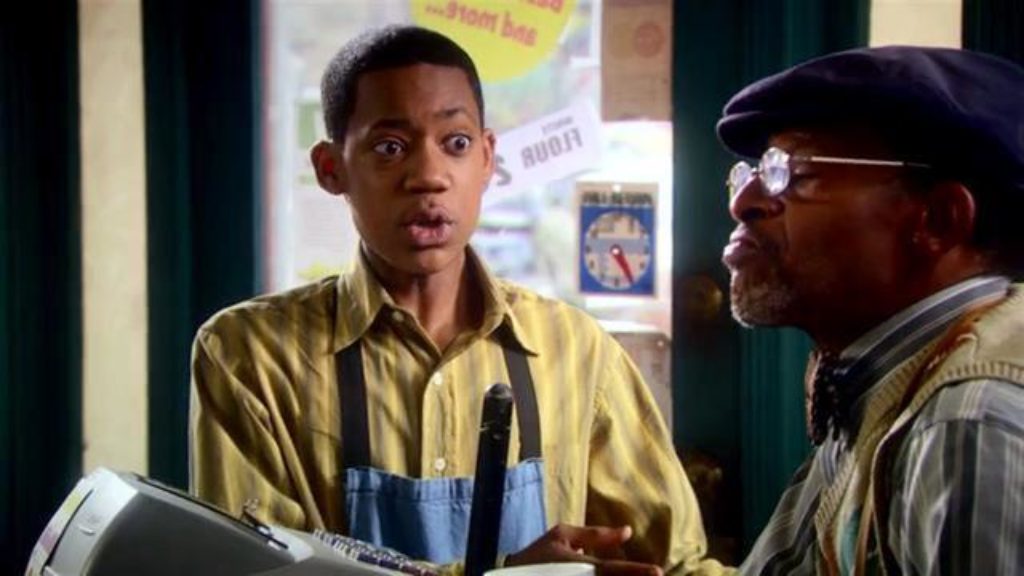
Set in 1982 Brooklyn, Chris flows like one of Rock’s stand-up routines minus the R-rated vulgarity. It’s told through the eyes of 13-year-old Chris (Tyler James Williams), who seems to get the brunt of everything. At home, he’s blamed when the younger brother he’s tutoring gets a poor grade. (His parents have high expectations after sending Chris to a cross-town school where the all-white student body gets “not a Harvard education, just a not-sticking-up-a-liquor-store education.”) At school, Chris steps into a racially heated environment where he’s either bullied, beaten up (with white authority figures turning a blind eye), ignored or victimized by black stereotypes.
These tragic circumstances allow Rock’s persecution complex and acerbic, multi-layered wit to shine, keeping Chris from becoming another disposable UPN comedy. Whether taking on race or other hot-button subjects, Rock hammers both sides. When gunshots ring out near an urban middle school, for instance, he explains, “Much like rock ‘n’ roll, school shootings were also invented by blacks and stolen by the white man.”
Unfortunately, in conveying the grittiness of Rock’s tough upbringing Chris remains slightly rough around the edges. Early episodes have included frequent foul language, bathroom humor and a few sexually loaded one-liners. Whether or not Rock will escalate such elements remains to be seen. When questioned about his decision to use the n-word in one episode, he responded, “I’ll do whatever the network will let me do. If they let me use the f-word, I’ll use that too.”
That’s unlikely, given the show’s current slant toward old-school parenting and familial bonds. Chris’ parents are strict but loving—and their feelings are reciprocated. After his dad puts Chris to bed with an “I’ll see you in the morning,” Rock poignantly recalls, “My father wasn’t the type to say ‘I love you.’ He was one of four fathers on the block. ‘I’ll see you in the morning’ meant he was coming home. Coming home was his way of saying ‘I love you.’” Chris is sad, funny, rough, witty, biting, tender and tough.
Episodes Reviewed: Sept. 22, 29, Oct. 6, 2005
(Editor’s Note: Plugged In is rarely able to watch every episode of a given series for review. As such, there’s always a chance that you might see a problem that we didn’t. If you notice content that you feel should be included in our review, send us an email at letters@pluggedin.com, or contact us via Facebook or Instagram, and be sure to let us know the episode number, title and season so that we can check it out.)