



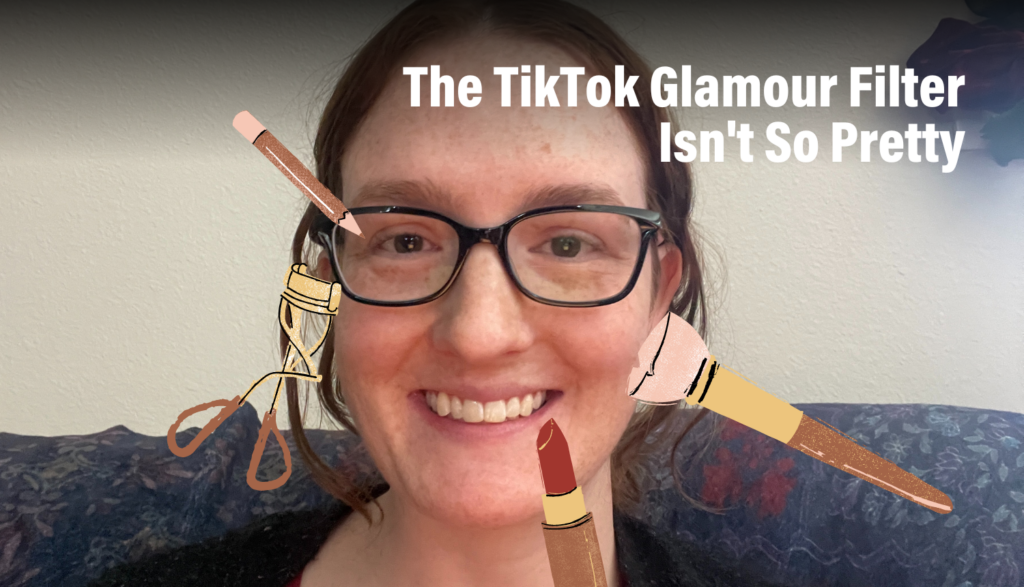
“Beauty filters” have been around for quite a while on a variety of apps. But if you’ve been paying any attention to YouTube lately, you know that there’s a new TikTok filter that has everyone talking. It’s called the Bold Glamour filter. And as plastic surgeon Dr. Monica Kieu said in an Inside Edition interview: “It makes the brows lifted, the cheeks more sculpted, the nose slightly more refined. And then it makes the lips a lot plumper.”
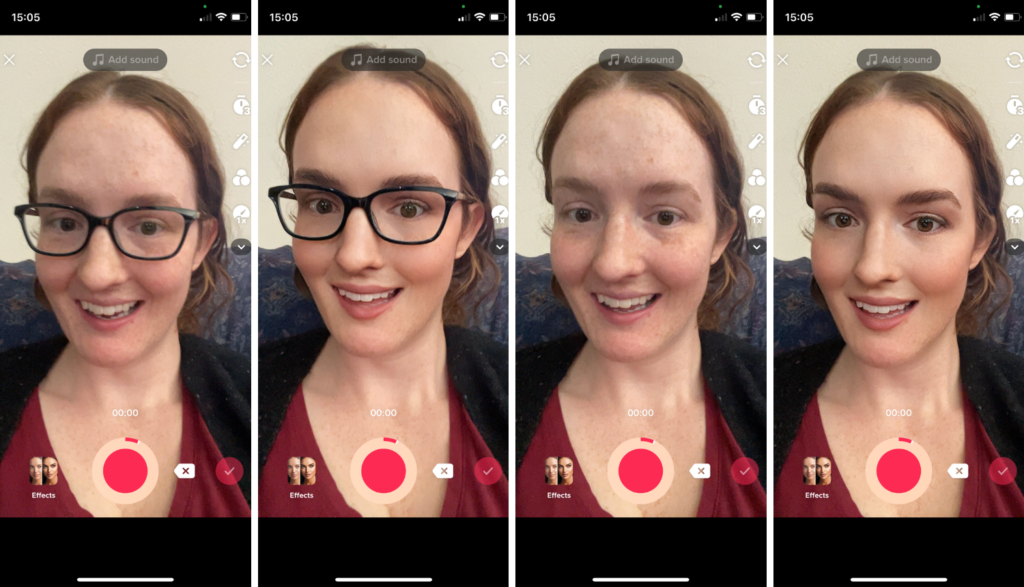
On top of that, the filter also adds some makeup effects that give your eyes something of a smoky look while sharpening your cheekbones with contours and highlights. You know, the sort of stuff that you might expect from some high-end Here’s How You Do It makeup demo online.
Now that may sound like a bit of fun. Especially since, unlike many other beauty filters of this stripe, Bold Glamour doesn’t glitch out when you pass your hand in front of your phone or run a finger over your face. The image is perfect and consistent. Turn your face, touch your nose, stand on your head and your smooth complected makeover stays intact.
But some people are worrying that this new wonder filter may not be as pretty as it appears to be, especially for younger users.
One of those is Rahaf Harfoush, a “digital anthropologist” who also serves as the executive director of the Red Thread Institute of Digital Culture, a global thinktank that focuses on the impact of technology. In a Toronto Star article, Harfoush stepped up to suggest that the filter’s impact could be far more negative than we might initially think. In fact, she called it “horrific for young people.”
But why?
Well, Harfoush compares the filter to a lot of old-school beauty-standard peddlers such as beauty and celebrity magazines, television shows and even the polished images in big-screen movies. For many years, those cultural powerhouses held up an image of “true” beauty and challenged starry-eyed viewers to reach for that kind of perfection. That’s been a problem for decades. But Harfoush says that the Bold Glamour filter is an amplified version of all that.
“Instead of seeing somebody who had a face that didn’t look like yours—and seeing that beauty standard as external—we’re essentially taking those beauty standards and superimposing them on our own faces,” said Harfoush. “We’re then just emphasizing this ‘lack,’ which I think is very damaging to people.”
In other words, the filter gives us this beautiful picture that’s close enough to our own natural appearance that it seems like it ought to be an attainable look. But it’s nearly impossible to duplicate, even with makeup. The bone structure is slightly different, the eyes wider, the nose thinner. In fact, if you watch any online vids of people trying the filter, the most common reaction is, “I don’t look anything like this,” even while they go on to oooh and ahhh over how gorgeous they look and how much they kinda wish they did look like that.
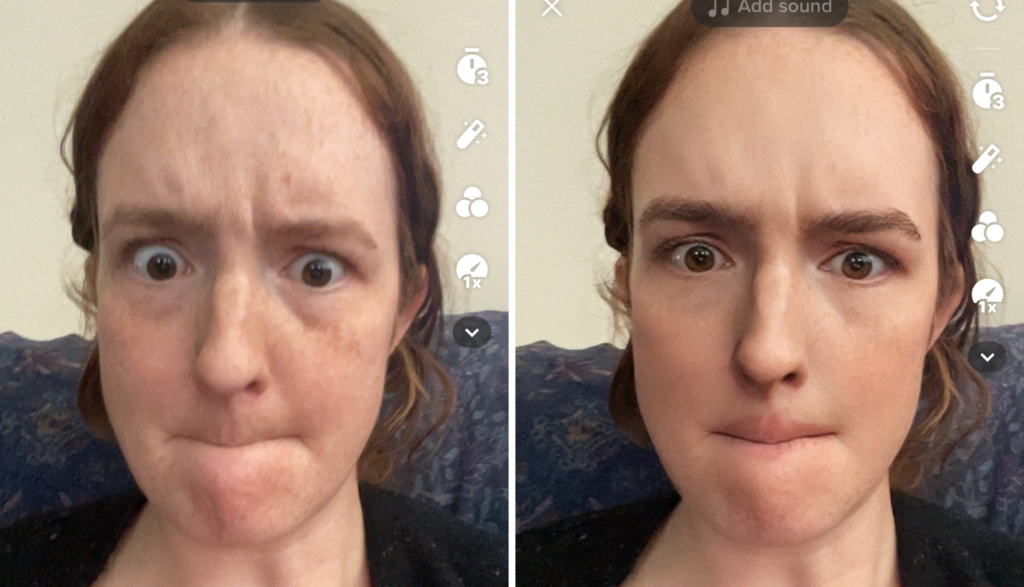
The implicit message is that users aren’t “good enough” without digital modifications, Harfoush says. And “that’s what’s so creepy. When it goes off, it’s reminding you of how much you don’t have.”
That brings to mind a recent study from the Centers for Disease Control and Prevention that found that 57% of teenage girls report feeling “persistently sad or hopeless” in a variety of areas, including their perception of themselves. That study alone makes Harfoush’s worries feel important.
As parents, we should be thoughtful about programs, apps and filters our kids are using. No need to panic, of course. But keeping an eye on things impacting our kids, and in light of their own individual tendencies and personalities, is always a pretty wise choice. After all, their wellbeing is a beautiful thing. Even without a filter.
Editor’s note: Plugged In Senior Associate Editor Emily Tsiao used the TikTok Bold Glamour filter on herself. See what happened.

Recent Comments