TV Series Review
For the past 11 years, Ian Ridley has been living every parent’s worst nightmare: His 3-year-old daughter, Maggie, went missing while he and his now ex-wife, Deb, were out, leaving her in the care of her big brother, Dean.
While this tragedy irreversibly shook up the lives of the Ridley family (and presumably split it apart), it would seem Ian hasn’t even begun to try to move forward with his life. As far as we initially see, his closest companions are a woman from work—a subordinate who he’s having physical relations with—and a bottle of gin that he has avoided drinking in the hope of reaching six months’ sobriety.
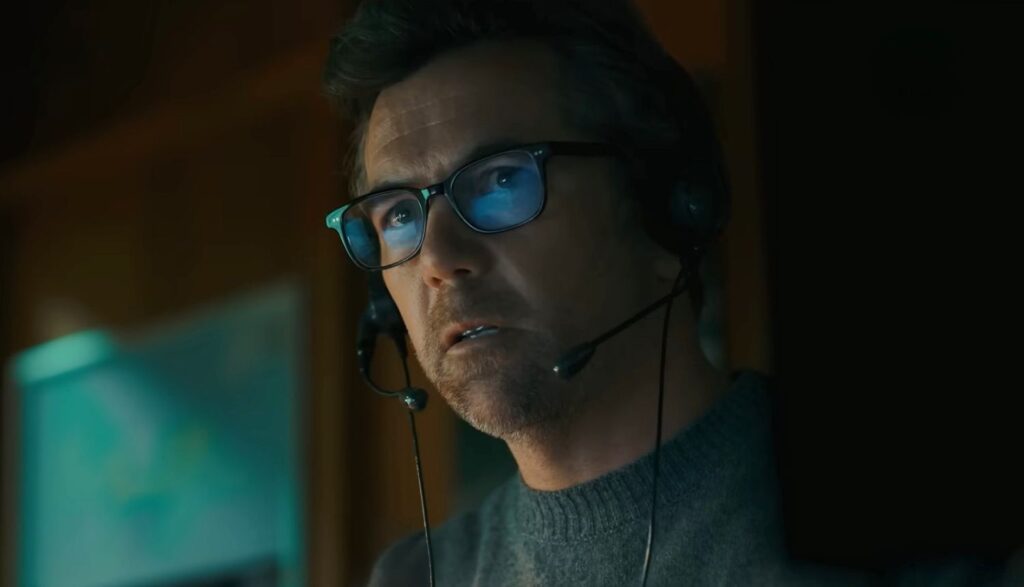
Being a former police officer and current emergency hotline operative, Ian knows a thing or two about investigations into the deepest tragedies that families can face. He knows the chances of finding Maggie alive are slim. But any hope Ian might have had of moving on and wrestling with the deep-seated unknown of why such a tragic event would happen to such a loving family is dashed when the bones of a long-deceased child are discovered in the woods following a brutal storm.
Police claim that the remains belong to a child aged 3 or 4 who died around a decade prior. The facts line up with sweet little Maggie’s disappearance. But something about the whole thing still feels off.
Is it Ian’s refusal to accept that what happened to Maggie was a random, devastating act of meaningless violence that keeps him from moving on? Or, deep down, does he know that there might be more to his daughter’s tragic story?
Desensitized and Devastated
If you skimmed a synopsis of Apple TV’s Last Seen, it would appear that this miniseries falls into the endless ranks of crime series streaming right now. However, Last Seen takes familiar material and deepens it.
In some ways, this should be read as a positive. Patrick Brammall (who plays Ian) gives a genuinely haunting performance as a broken man—but one not beyond redemption. Ian tells characters that this tragic event forced him to reject any semblance of a higher power working in his life, but it doesn’t seem that he fully believes what he’s saying. This series is far from your run-of-the-mill catch-the-killer romp, and while Ian’s nihilistic mindset permeates the bleak tone of the first episode, it would seem the series plans to give him some relief by the end of its run—both in answers of what happened to Maggie and in a more hopeful outlook on life.
That said, Last Seen may not be a series worth the emotional turmoil. Given the subject matter at hand, violence is obviously the main content culprit here. In addition to that dismal subject matter, the series boasts frequent strong profanities from its characters. There’re also some sensual scenes with lots of skin on display.
But the talent both in front of and behind the camera makes this series feel palpably real—and that may actually be the biggest detractor for discerning viewers:
A scene in the first episode showcases an emergency call center worker eating lunch as she listens to a tragic situation unfold on the other end of the phone—a moment that confronts the audience with the notion that hearing excessive tragedy might dull one’s response to it. Moments like this may cause audiences to wonder if consuming series like Last Seen on a regular basis may be numbing their reaction to dreary content as well.
The series opens with a mudslide that ravages everything in its path and inadvertently reveals the remains of a deceased child. These establishing shots do more than just set up an inciting incident for our characters, though: They let the audience in on what they can expect emotionally. An unrelenting sense of grief washes away the morals of what would likely be well-intentioned people, and the search for answers plunges our characters into some dark, murky places spiritually.
While the storm eventually ends and the sun shines again on a beautiful, ravaged forest landscape, viewers may be left wondering if the answers this series will provide are worth the flood of content it’ll take to get them—and whether their emotions will be left in shambles in the process.
(Editor’s Note: Plugged In is rarely able to watch every episode of a given series for review. As such, there’s always a chance that you might see a problem that we didn’t. If you notice content that you feel should be included in our review, send us an email at letters@pluggedin.com, or contact us via Facebook or Instagram, and be sure to let us know the episode number, title and season so that we can check it out.)