TV Series Review
Dragon Ball Z has replaced Pokémon as the cartoon fad of choice for American kids. But it isn’t a new craze. Akira Toriyama began drawing the Dragon Ball manga (Japanese for “comics”) nearly two decades ago. It was quickly turned into anime (a cartoon) for Japanese television in 1986. Nine years later it was dubbed into English and exported to the U.S.
Meandering story lines are byzantine in the extreme. Goku, Gohan, Piccolo, Vegeta and Trunks are but a few of the players woven into nearly infinite realities. Raised by a renowned martial artist, series hero Goku (a Saiyan boy with a tail) sets out on a quest for the seven dragon balls, which can summon a wish-granting dragon. After the dragon is mustered and a petition brought, the balls are again scattered. Grown now with a wife and young boy of his own, Goku and his Superman-like friends serve as planetary saviors and installers of peace through superior firepower.
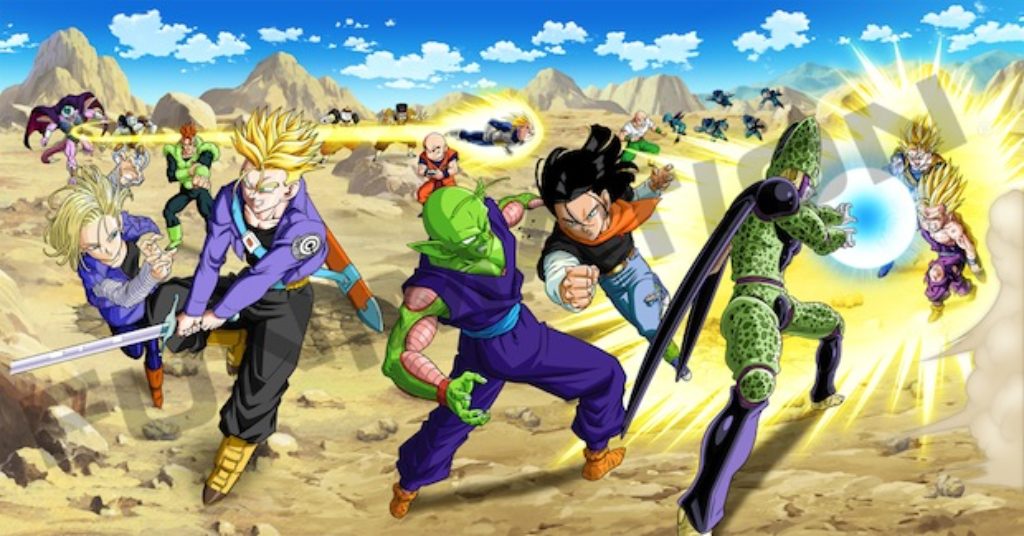
It takes only a few minutes to deduce that Dragon Ball Z features a lot of fantasy violence. Fists. Swords. Machine guns. Lasers. And when Goku or Vegeta transforms into a Super Saiyan, idle bystanders had better duck and cover. It’s not at all like Clark Kent popping into a phone booth; it’s like a nuclear bomb going off. Perhaps that’s why so many young fans are hooked despite the corny, dubbed dialogue. Viewers fancy themselves to be all-powerful like Goku, at least for a half-hour in imagination land.
Positive lessons do emerge. Goku refuses to kill a scientist destined for evil because he “hasn’t done anything wrong yet.” And he’s concerned with the welfare of innocent people. Profanities are rare (one “d–n” slipped into six days worth of back-to-back episodes), but a few sexual innuendoes creep in. Occasionally dark and disturbing spiritual fascinations are also built into the series much as they were in Mighty Morphin Power Rangers.
Violence has long been the hallmark of Japanese anime and American cartoons. But don’t assume Dragon Ball Z is the modern equivalent of Wile E. Coyote tossing anvils at the Roadrunner. This is heart-pounding, adrenalized mayhem aimed squarely at 10-year-old boys. Think of it as video sugar. Consume too much and children will get sick—and loopy.
Episodes Reviewed: Aug. 17, 20, 21, 22, 23, 24, 2001
(Editor’s Note: Plugged In is rarely able to watch every episode of a given series for review. As such, there’s always a chance that you might see a problem that we didn’t. If you notice content that you feel should be included in our review, send us an email at letters@pluggedin.com, or contact us via Facebook or Instagram, and be sure to let us know the episode number, title and season so that we can check it out.)